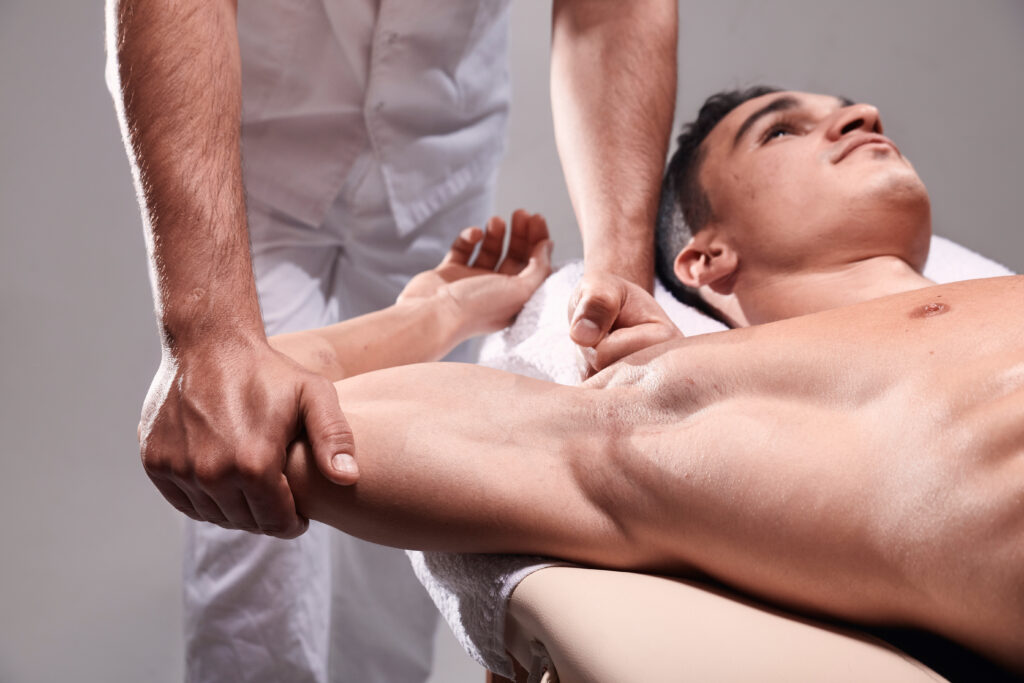
Tension Headaches and Neuromuscular Therapy: Working the Neck, Jaw and Base of the Skull
Many tension headaches start below the head, in trigger points in the neck, jaw and upper back. Neuromuscular therapy is precise work aimed at exactly those spots.
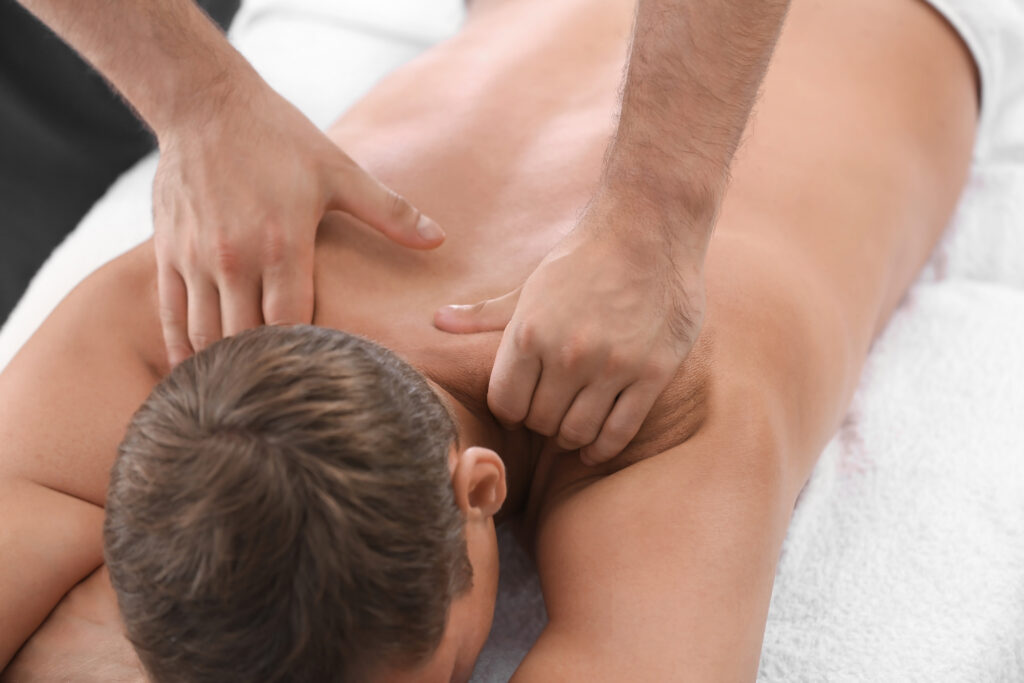
A lot of the headache clients I see at the Staten Island studio describe the same thing: a band of pressure around the head, an ache behind one eye, or pain that starts at the base of the skull and creeps up by late afternoon. Often the source isn't in the head at all. It's in the muscles of the neck, jaw and upper back.
Why the neck can cause head pain
Muscles can develop trigger points, which are small, irritable spots that send pain somewhere else. Trigger points in the upper trapezius, the small muscles just under the base of the skull, the muscles along the side of the neck, and the jaw muscles all commonly refer pain into the head, temples and around the eyes.
Desk work, looking down at a phone, clenching your jaw, or driving with your shoulders up all keep those muscles loaded for hours. You may not feel any neck pain. You feel the headache.
What neuromuscular therapy does differently
Neuromuscular therapy is precise, focused work. Instead of covering the whole back, we find the specific trigger points that reproduce your headache and work them with sustained pressure until they calm down. When I press the right spot, many clients recognize their headache right away: "That's it, that's the one."
A typical session for headaches covers:
- The base of the skull and upper neck
- The upper trapezius and levator scapulae, between the neck and shoulder
- The muscles along the front and side of the neck
- The jaw muscles, especially if you clench or grind your teeth
- The upper back, which sets the position of your head and neck
When to see a doctor first
Massage is for tension-type and muscle-related headaches. See a physician first, or right away, if a headache is sudden and severe, different from anything you've had before, follows a head injury, or comes with vision changes, weakness, confusion or fever. If your doctor has ruled out other causes and suspects tension or your neck, this work fits well alongside their care.
What to expect over a few sessions
Some people feel a clear change after one session. Long-standing patterns usually need a few sessions, plus attention to whatever keeps loading those muscles, such as your screen height, how you sleep, or jaw clenching. I'll point out what I notice so you can change it between visits.
The Staten Island studio is at 520 Bloomingdale Road. Request an appointment, call (718) 605-1300, or see session pricing. If your headaches come with general neck and shoulder tightness, a therapeutic massage session can cover both.
Common questions
Many tension-type headaches are linked to trigger points in the neck, jaw and upper back. Neuromuscular therapy targets those points directly. Sudden, severe or unusual headaches should be checked by a doctor first.
Neuromuscular therapy is focused and precise. Instead of general work over a large area, it finds and treats the specific trigger points that reproduce your symptoms.
Yes. The jaw muscles are a common source of headaches in people who clench or grind, and they are often part of a neuromuscular session for head pain.